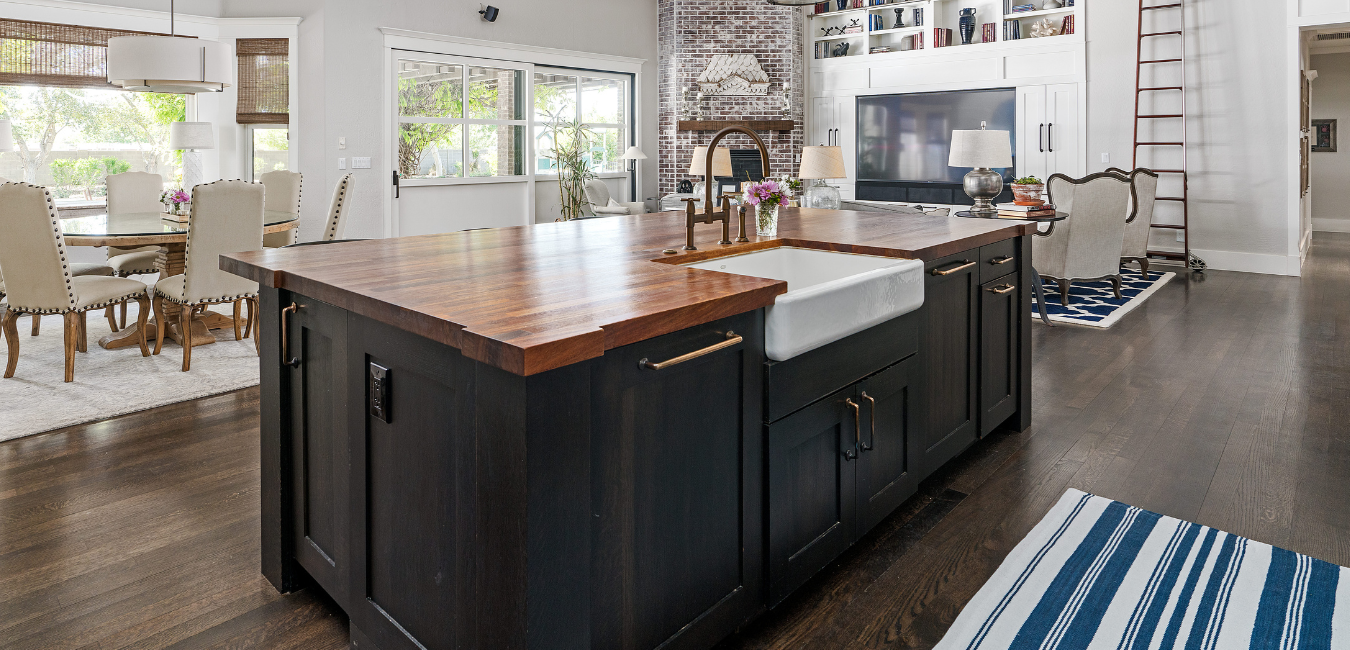
A kitchen or bathroom remodel starts long before the first cabinet comes out. It starts with understanding what you want your home to do better—and what you are comfortable investing to make that happen.
Inspiration photos are helpful, but they don’t tell the whole story. A beautiful kitchen might still lack the storage your family needs. A spacious bathroom might include features you rarely use. Before developing a proposal, it helps to connect the improvements you want with the way you actually live.
At Convergence Kitchen & Bath, that conversation is an important part of planning a remodel. We work with homeowners in Salem, Oregon, and surrounding areas to understand their goals, discuss an initial investment range, and establish clear expectations before developing a detailed proposal.
Start with the problem you want to solve
Instead of beginning with “We want a new kitchen,” ask what isn’t working in the kitchen you have. Do you run out of preparation space? Are the cabinets difficult to organize? Does an island interrupt the path between the refrigerator and sink?
The same approach applies to a bathroom. You might need easier shower access, better lighting, more storage, or room for two people to get ready without being in each other’s way.
Try finishing this sentence: “Our remodel would be successful if we could…” Your answer turns a general wish into a goal that can guide the design and spending decisions.
Separate your goals from the products
“More useful storage” is a goal. A particular cabinet accessory is one possible solution. “A bathroom that is easier to clean” is a goal. The tile, grout, fixtures, and layout should support it.
This distinction gives you more flexibility. If one product or design choice stretches the investment beyond your comfort level, we can discuss another approach that still addresses the underlying need.
For example, a homeowner who wants a kitchen island may really be looking for more work surface and a place to gather. Depending on the room, a smaller island or a peninsula might serve that purpose better. Understanding the goal helps us evaluate the options together.
Give your priorities a clear order
Before your consultation, organize your ideas into three groups:
- Must-haves: Improvements needed for the remodel to solve your main frustrations.
- Preferences: Features or finishes you would like, with some flexibility in how they are achieved.
- Optional upgrades: Extras you would consider if they fit the overall plan.
For a kitchen, useful cabinet storage might be a must-have, while a waterfall countertop could be an optional upgrade. For a bathroom, a more functional shower might take priority over a freestanding tub.
There is no universal right order. Your priorities should reflect your household, routines, and plans for the home.
Talk openly about your investment
You don’t need an exact project price in mind before contacting a remodeler. It is helpful, however, to discuss a comfortable investment range and any firm limits.
That conversation gives the planning process a practical direction. It helps identify whether the desired scope and selections are aligned with the amount you want to spend—or whether some adjustments deserve discussion before a detailed proposal is developed.
At Convergence, we start by getting to know your goals, space, budget, and timeline. After a phone conversation and in-home consultation, we share an initial investment range to help establish that alignment. This preliminary range is a planning tool; the detailed proposal defines the specific work and pricing.
Understand what your money needs to cover
A remodeling investment includes more than the visible finishes. Depending on the project, it may also cover demolition, preparation, installation, plumbing, electrical work, ventilation, permits, and repairs.
Moving a sink or removing a wall can change the scope considerably compared with updating finishes within the existing layout. Older homes may also reveal conditions that were not visible before work began. Discuss how unexpected findings and changes will be documented, priced, and approved, and how to plan an appropriate contingency.
Knowing these factors helps you weigh choices realistically. You can make room for the improvements that matter without allocating the entire investment to products alone.
Make tradeoffs around the life you want to improve
Imagine that better kitchen storage and brighter preparation areas are your top goals. You might choose a simpler backsplash so there is room in the plan for practical cabinetry and task lighting.
In a bathroom, you might keep plumbing in its existing location and choose a more straightforward tile pattern to support an investment in a shower that works better for your needs.
These are examples of how priorities can guide decisions. The right balance depends on your home and the scope. The goal is to understand what each choice contributes to the finished space.
A collaborative conversation leads to a clearer proposal
A useful proposal should reflect a shared understanding of the project. What are we changing? Which selections and allowances are included? What is excluded? What decisions still need to be made?
Convergence Kitchen & Bath’s approach centers on listening, communication, and collaboration. We discuss your priorities, explain the options, and refine the plan together. When the goals and investment are understood early, the proposal can give you a clearer picture of what you are moving forward with.
Bring your questions. We’ll work through the details together.
You don’t need finished plans or every material selected to start. Bring a short list of what isn’t working, the improvements that matter most, a few inspiration photos, and a sense of your investment comfort level.
Ready to explore a kitchen remodel or bathroom remodel in Salem or a surrounding community? Request a free in-home consultation with Convergence Kitchen & Bath. We’ll help you connect your ideas, priorities, and investment before developing your proposal.
For more kitchen planning considerations, explore our Kitchen Pricing Guide.
Call or text 503-594-7295, or email dpippert@convergencekb.com.
Leave a Reply